Production Line
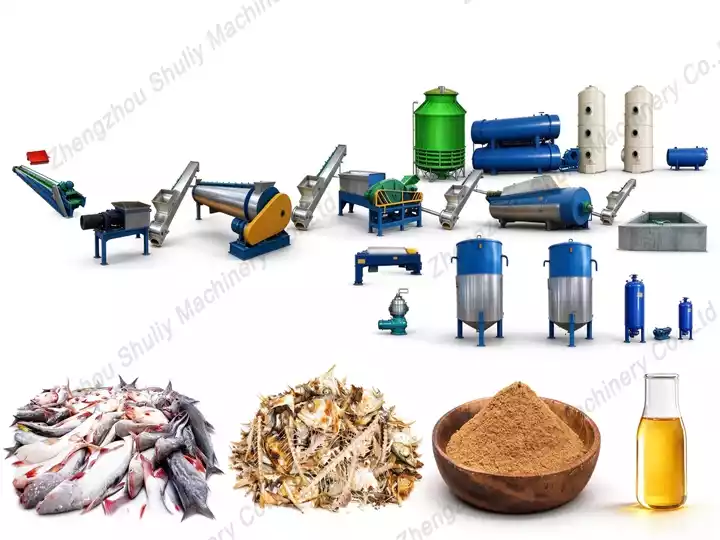
Fish Meal Production Line | 250 kg/h–10 TPH Fish Meal Processing Machine
Fish meal production line with 250 kg/h–10 TPH capacity for processing fish waste into protein-rich fish meal and recovering fish oil.
View machine→PET bottle washing recycling line
PET bottle washing recycling line with 500-3000 kg/h capacity. Complete PET flakes washing plant including label removing, crushing, hot washing.
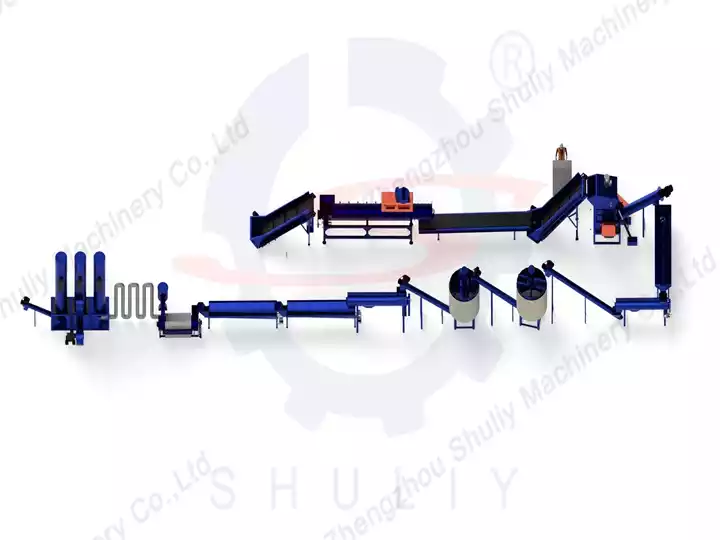
The PET bottle washing recycling line is a complete recycling solution designed to process waste PET bottles into high-quality clean PET flakes. With production capacities ranging from 500 kg/h to 3000 kg/h, the line is widely used by plastic recycling plants, fiber manufacturers, and PET bottle recycling businesses.
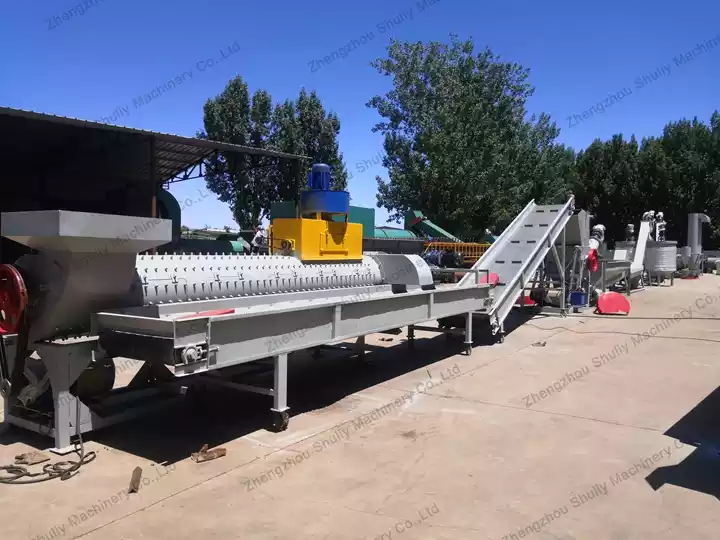
This PET bottle flakes washing plant integrates label removal, sorting, crushing, hot washing, friction washing, rinsing, dewatering, drying, and impurity separation into one continuous system. The final PET flakes can reach fiber-grade quality and be reused for manufacturing polyester fibers, packaging straps, geotextiles, rope nets, and industrial plastic products.
The PET bottle recycling rate can reach approximately 85%, meaning that 1 ton of waste PET bottles can produce about 850 kg of clean PET flakes after processing.
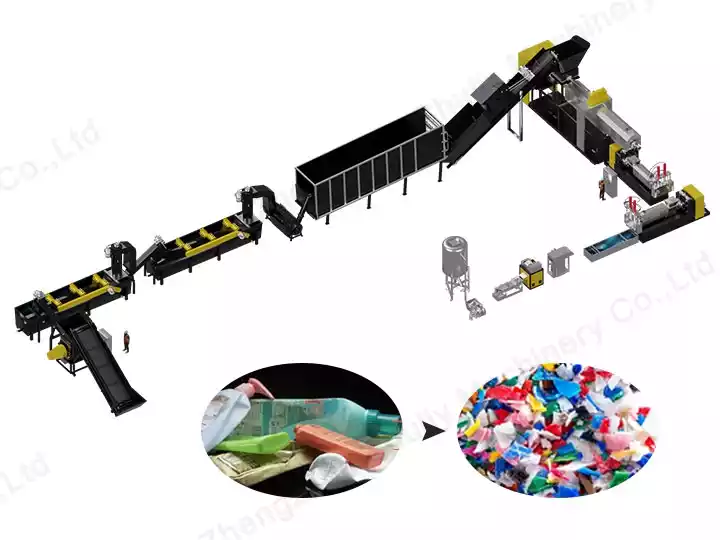
Raw Materials
Final Products
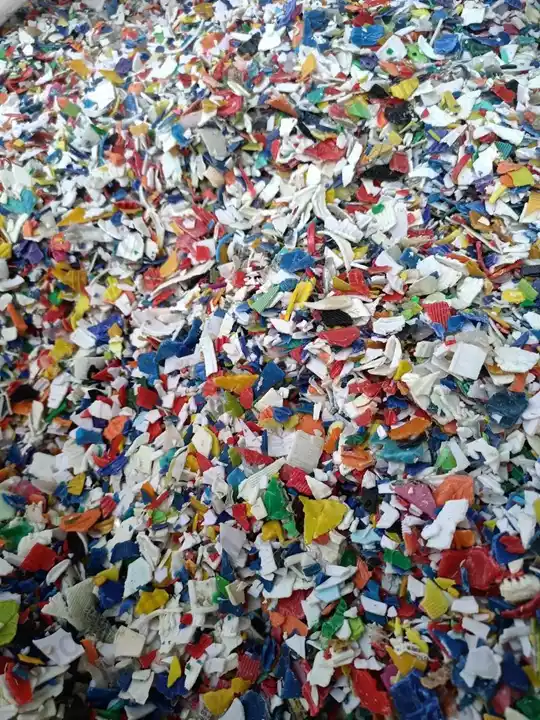
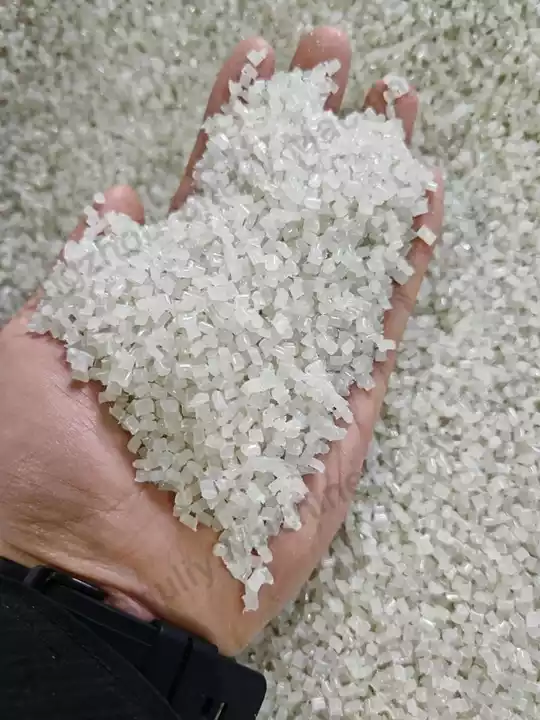
The complete PET bottle recycling process includes:
Belt Conveyor → Label Remover → Sorting Table → Crusher → Screw Conveyor → Sink-Float Separation Tank→Friction Washer → Hot Washing Tank → Screw Conveyor → Friction Washer → First Rinsing Tank → Second Rinsing Tank → Horizontal Dewatering Machine → Drying Pipe → Air Separator → Storage
This process effectively removes labels, caps, oil stains, glue, dirt, PVC contamination, and moisture, ensuring high-quality PET flakes.
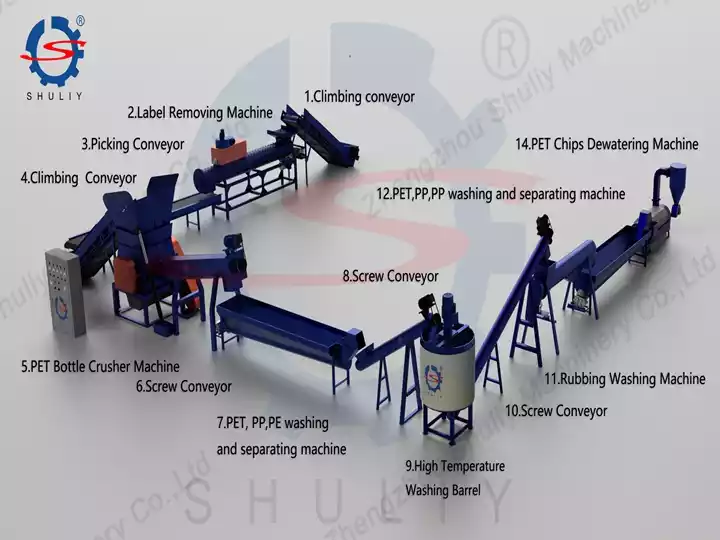
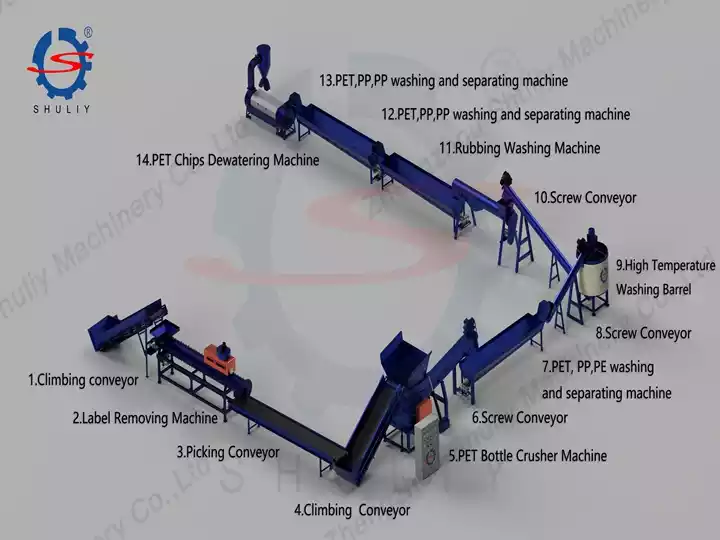
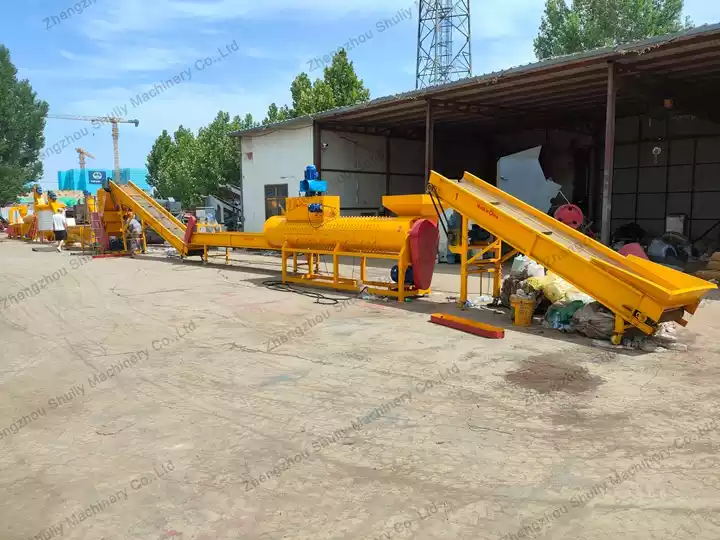
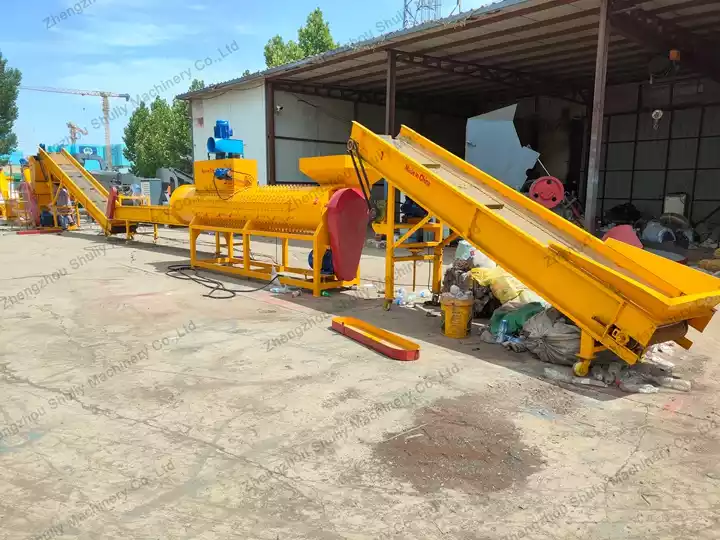
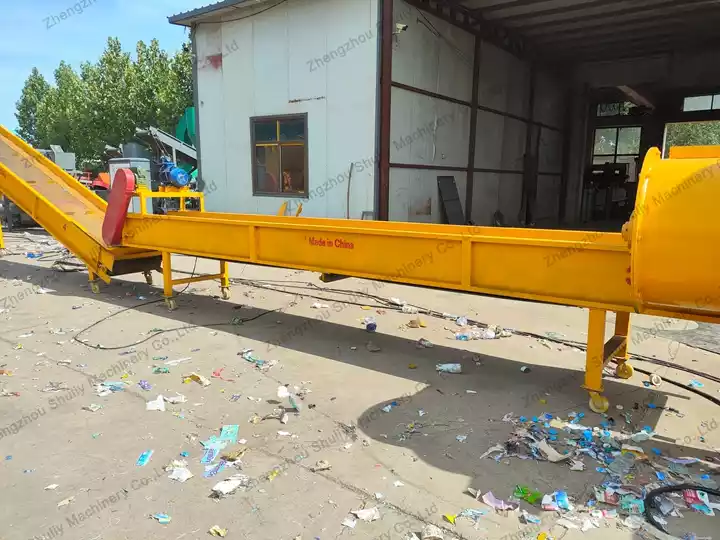
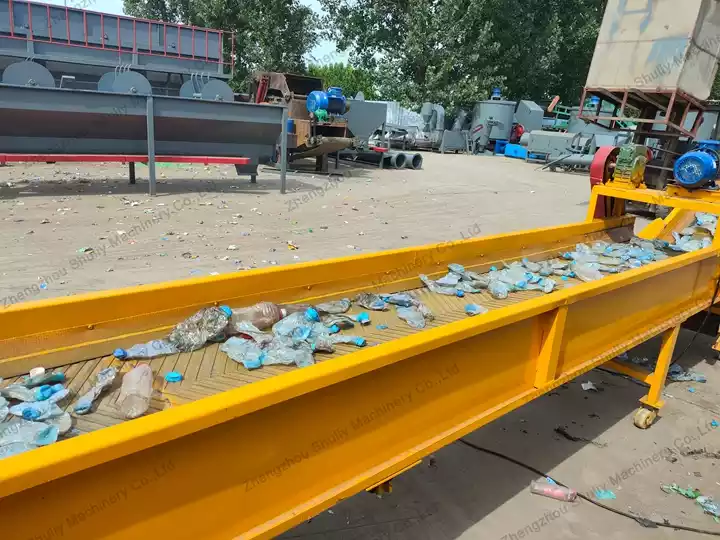
The conveyor transports PET bottles continuously to the next processing stage.
A typical PET bottle weighs approximately 26–30g, and 1 ton of bottles contains about 35,000 bottles. PET bottles are usually accompanied by PP/PE caps and PVC labels.
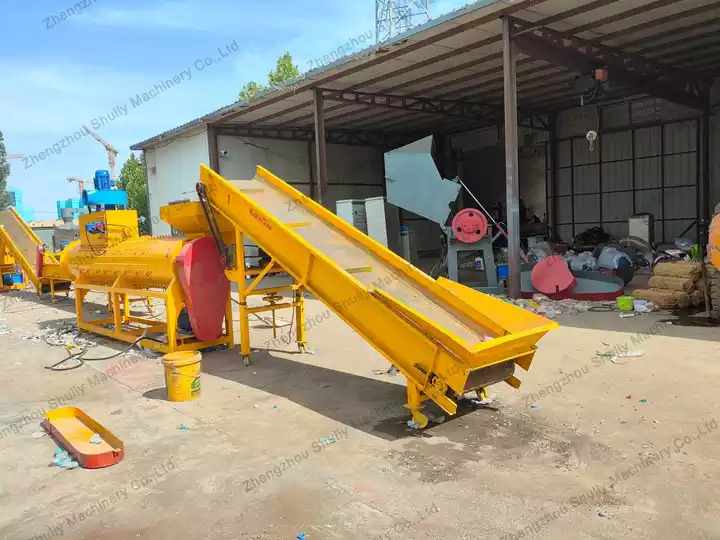
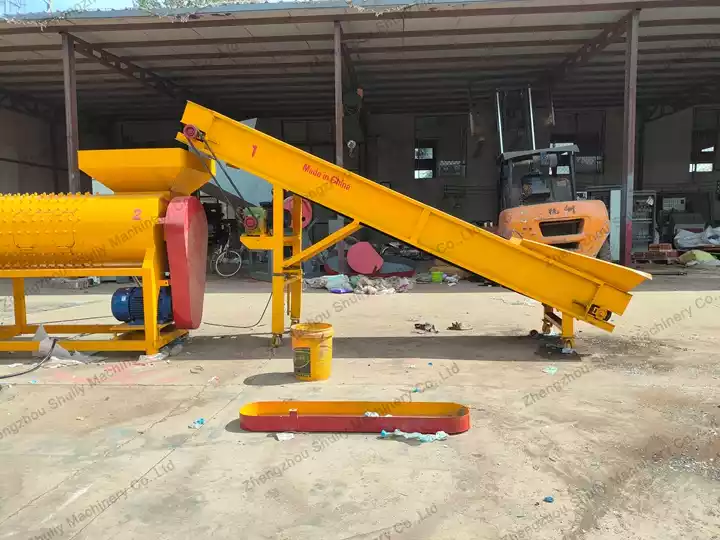
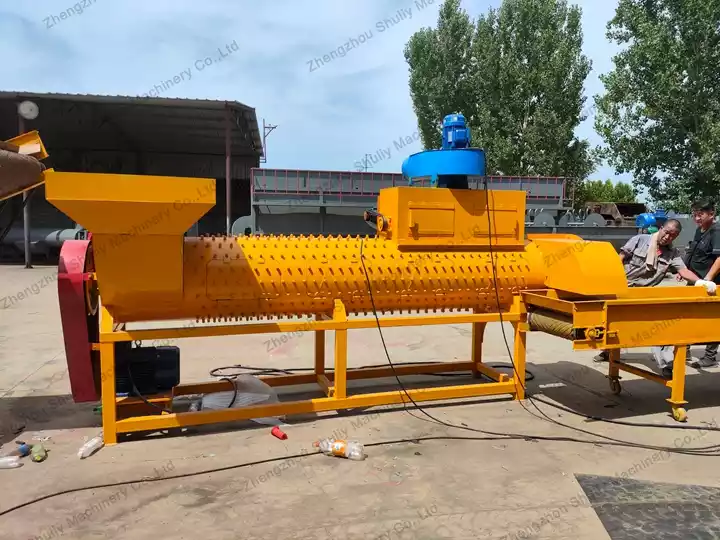
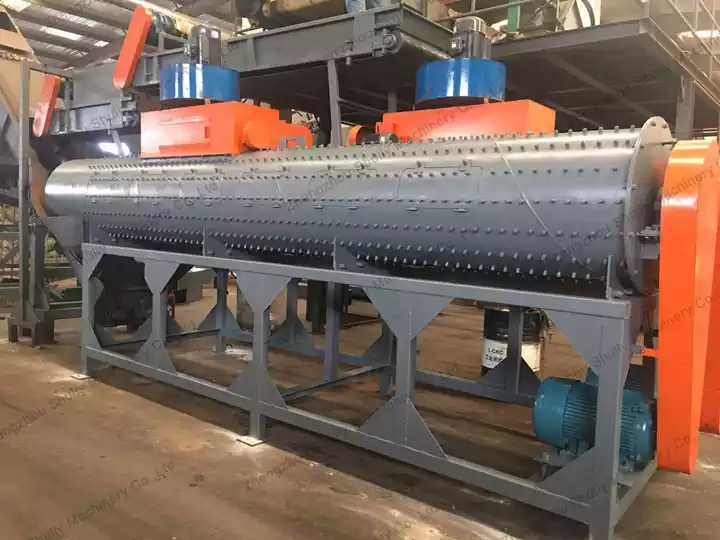
The label remover separates labels from PET bottles before crushing.
Features:
After label removal, only the bottle body, caps, and a small amount of residual labels remain.
Workers manually remove:
This step helps improve final PET flake quality.
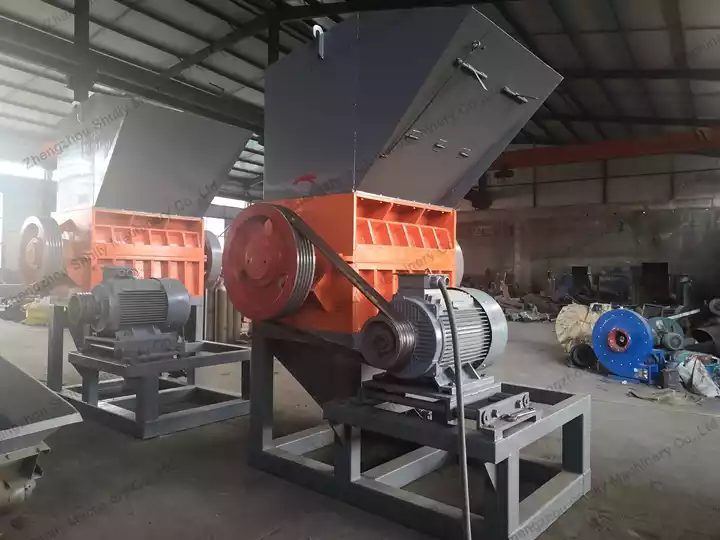
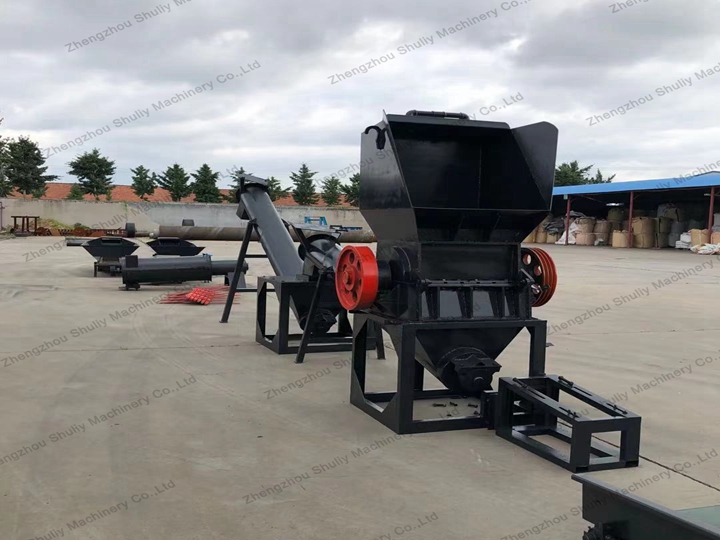
The crusher reduces bottles into PET flakes.
Features:
For 500 kg/h lines, a 600-type crusher is commonly used, while 1000 kg/h lines generally use an 800-type crusher.
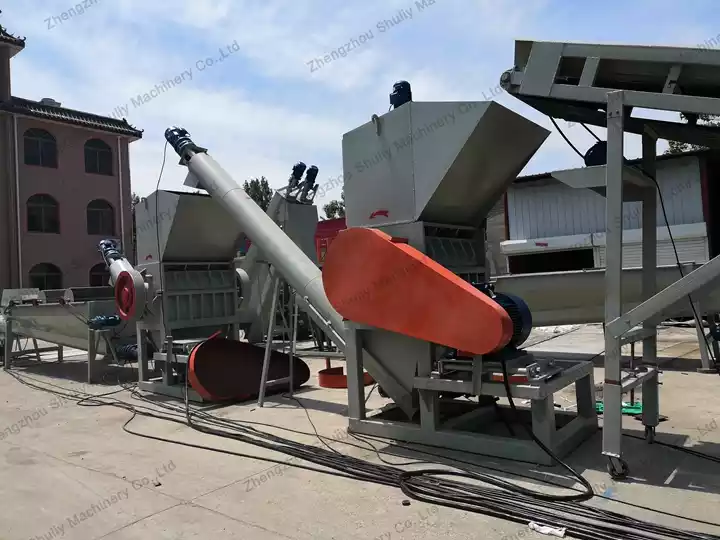
The screw conveyor transports PET flakes while allowing water and contaminants to flow back into the washing system, reducing chemical waste.
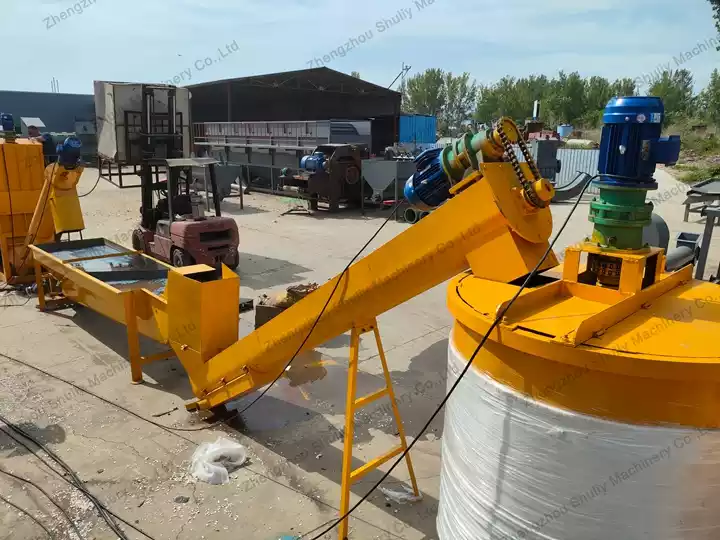
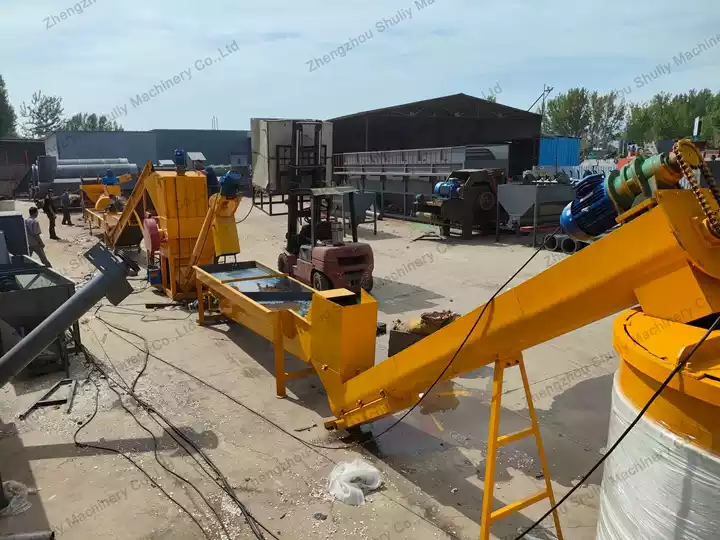
The sink-float separation tank, also known as the net flotation separator, is designed to separate PET flakes from lightweight plastic contaminants based on differences in material density.
After crushing, the mixed materials enter the separation tank filled with water. Due to their different densities:
A screw conveying system automatically transports the PET flakes to the next washing stage, while floating caps and lightweight impurities are discharged separately.
Main Functions:
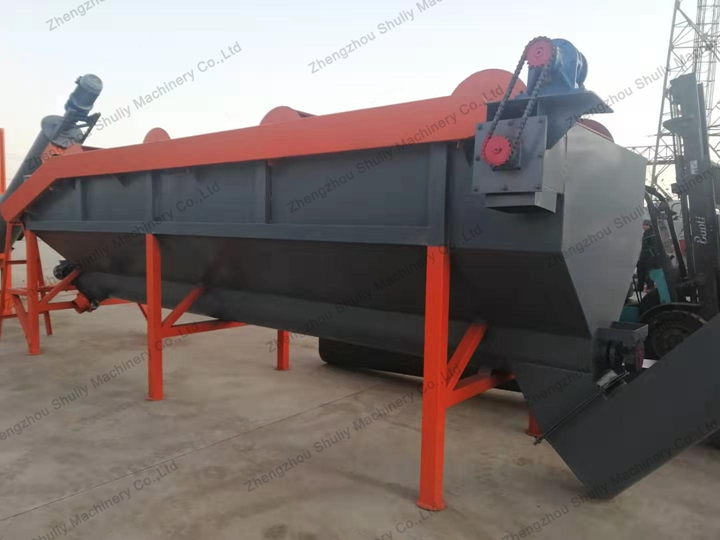
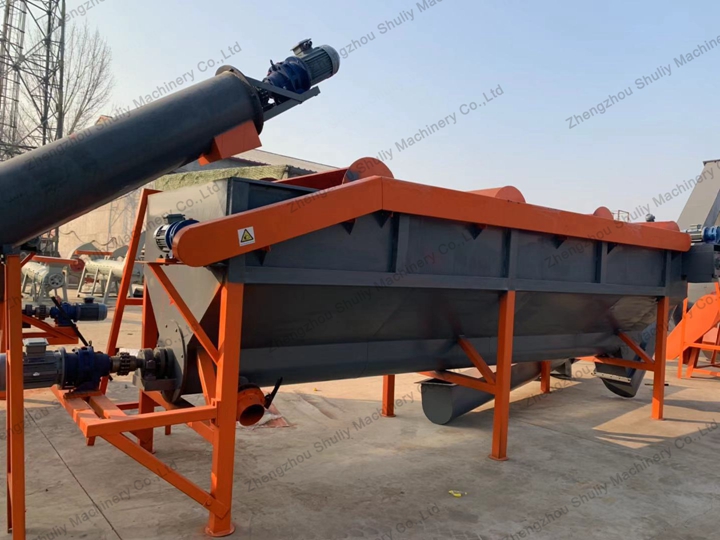
This machine is used when bottles contain large amounts of dirt, mud, and impurities.
Functions:
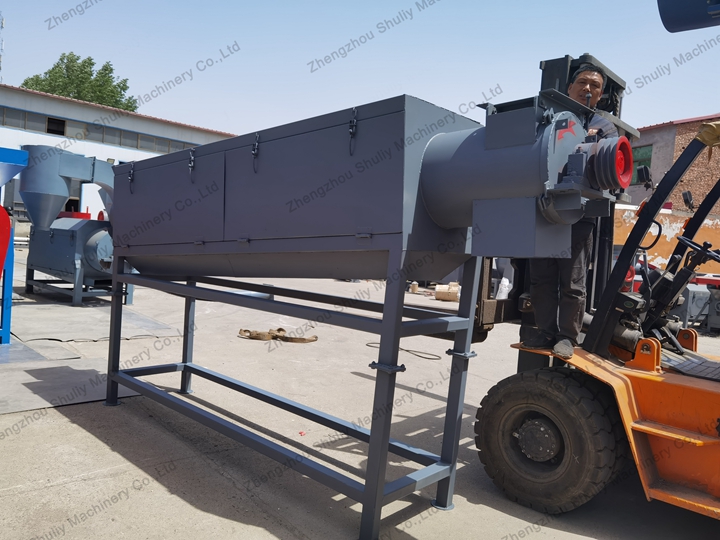
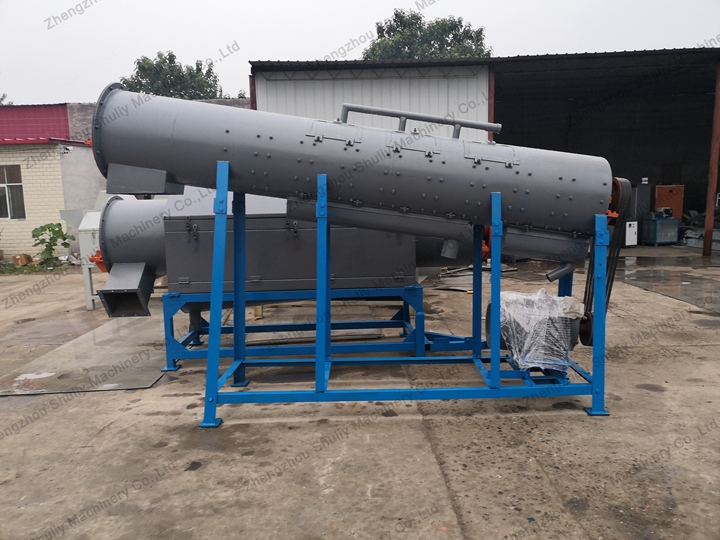
The hot washing tank is one of the most important machines in the PET bottle recycling line.
Functions:
Operating Parameters:
For heavily contaminated bottles, two hot washing tanks are recommended for continuous operation.
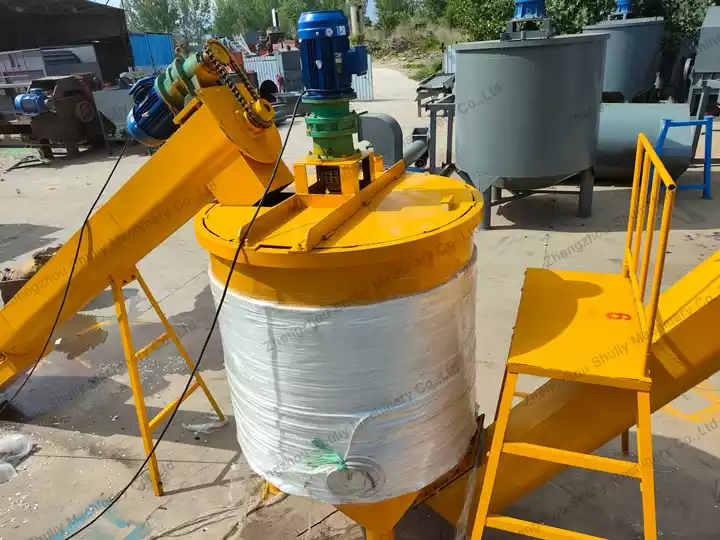
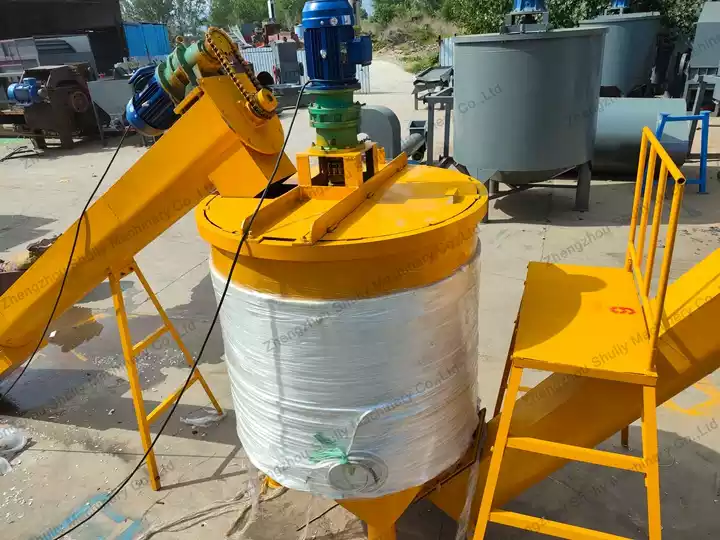
Unlike the first friction washer, the second-stage machine focuses on:
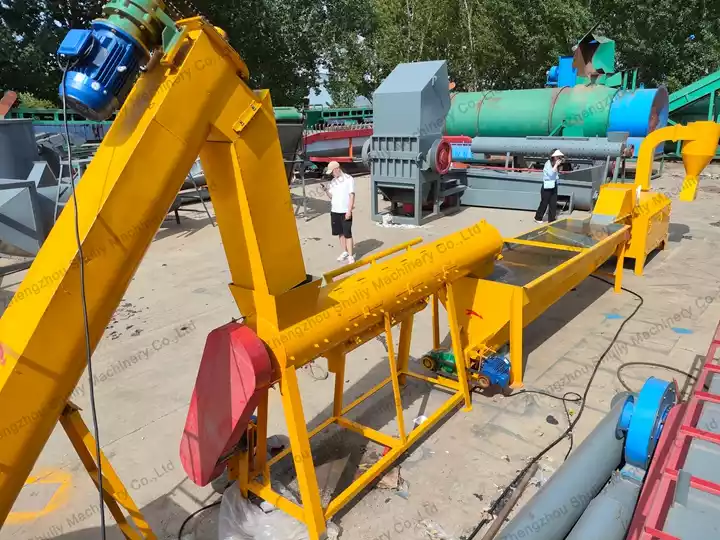
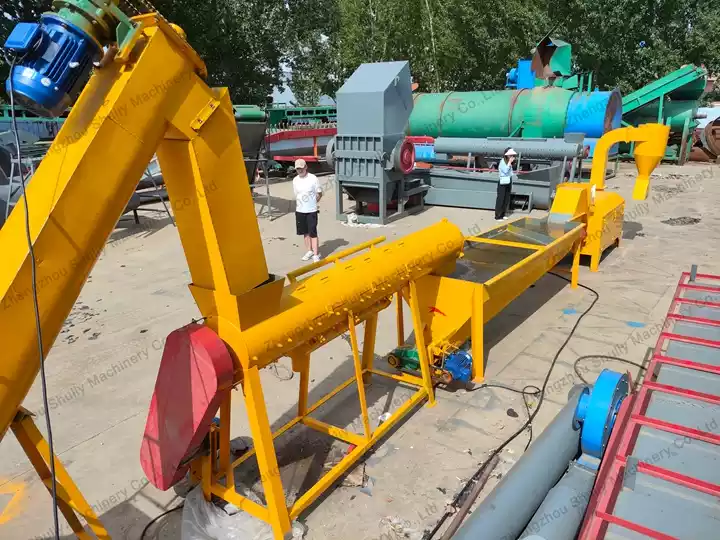
Functions:
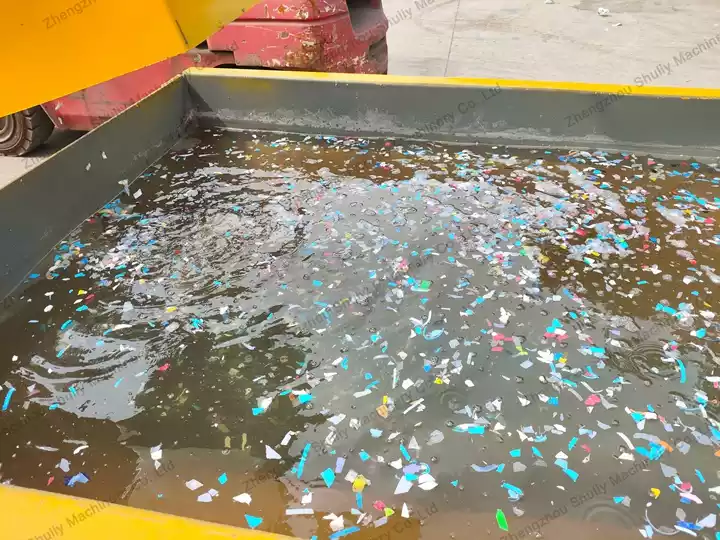
PET flakes sink while PP/PE caps float, allowing efficient material separation.
Further cleaning and purification of PET flakes.
Functions:
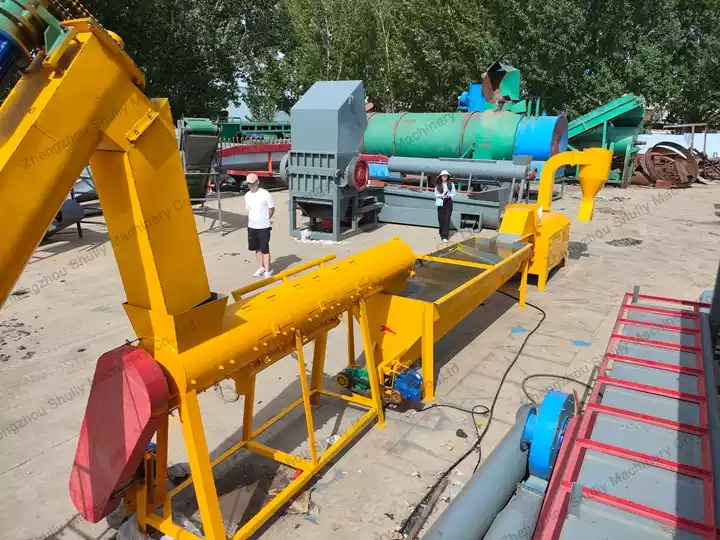
The dewatering machine removes most of the water from PET flakes.
Performance:
The flakes can be temporarily stored after dewatering.
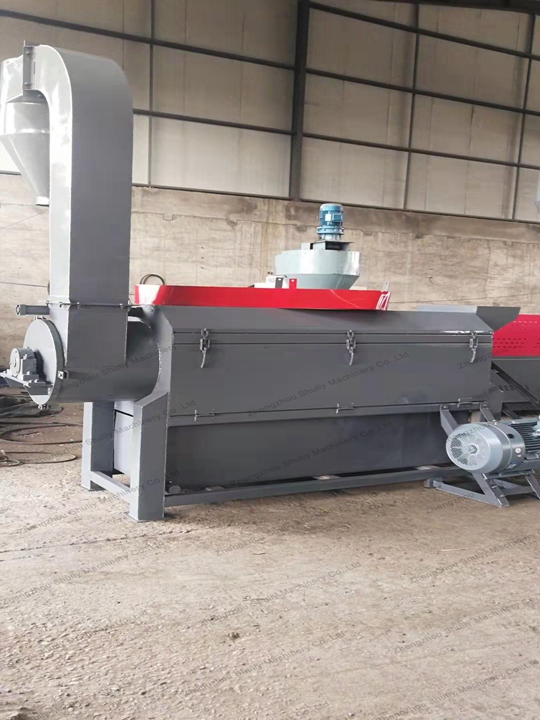
The drying pipe further reduces moisture content.
Performance:
Recommended length:
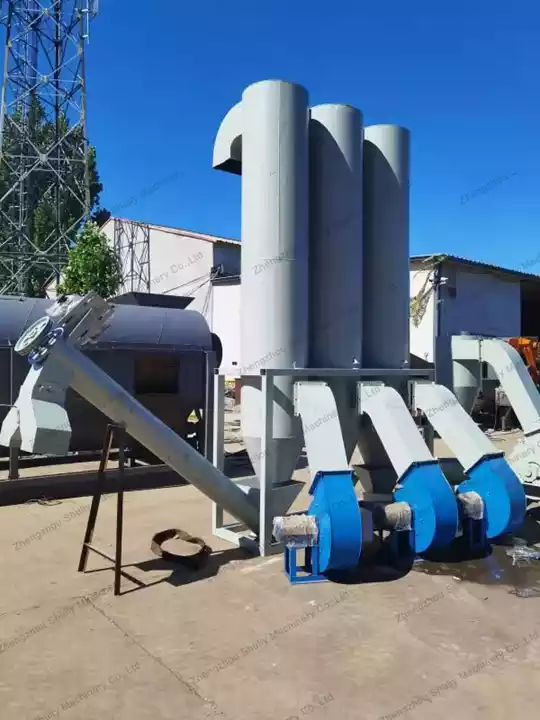
The air separator removes:
This step significantly improves PET flake purity.
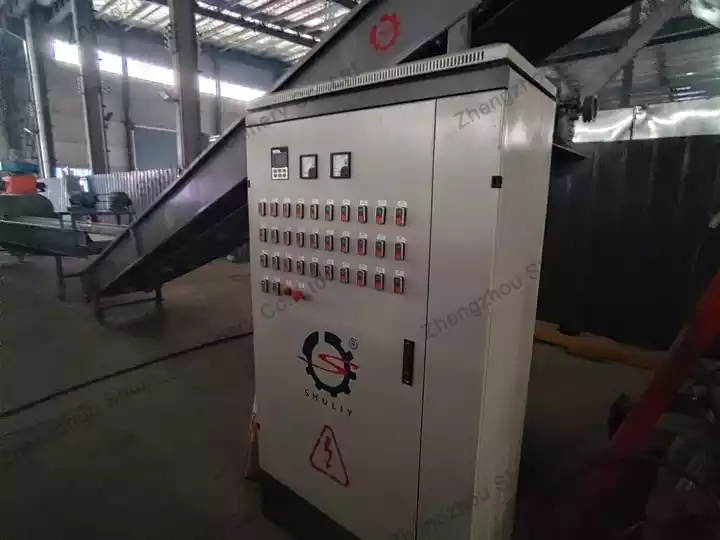
The entire line is controlled through a centralized electrical cabinet featuring:
| Model | Capacity (kg/h) | Crusher Model | Hot Washing System | Installed Power |
|---|---|---|---|---|
| SL-500 | 500 | 600 Crusher | 1-2 Tanks | 95-120 kW |
| SL-1000 | 1000 | 800 Crusher | 2 Tanks | 150-200 kW |
| SL-2000 | 2000 | Custom | 2-3 Tanks | 250-350 kW |
| SL-3000 | 3000 | Custom | 3 Tanks | 350-500 kW |
Note: Machine configurations can be customized according to bottle cleanliness, production requirements, and factory layout.
High PET Flake Purity
Effectively removes labels, caps, oil, glue, and impurities.
High Recycling Efficiency
Recovery rate can reach approximately 85%.
Flexible Capacity Options
Available from 500 kg/h to 3000 kg/h.
Intelligent Process Design
Optimized equipment arrangement improves washing performance.
Durable Components
High-quality alloy blades and wear-resistant parts.
Wide Application Range
Suitable for various PET bottle recycling projects.
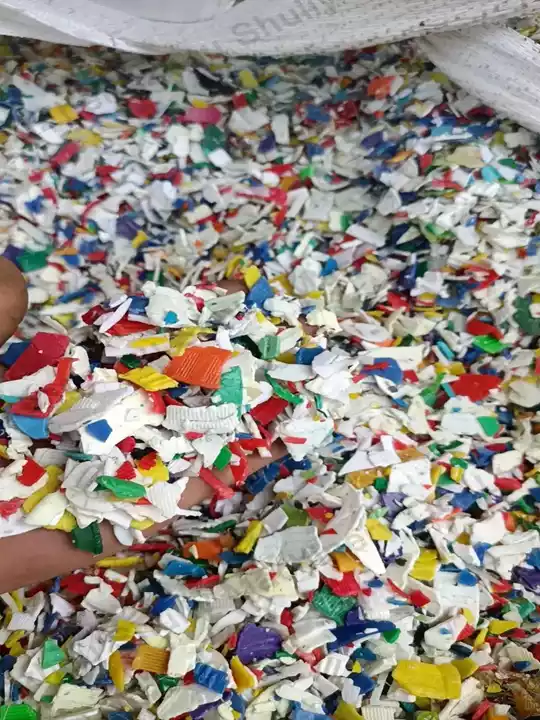
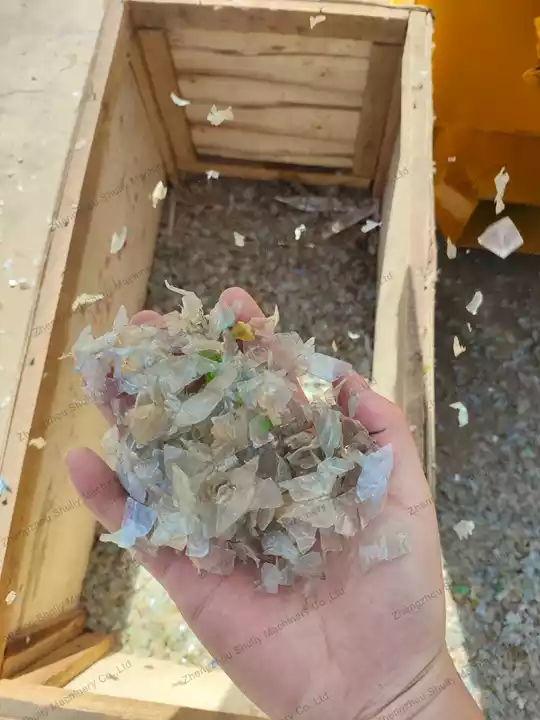
The final PET flakes can be used for producing:
High-quality white transparent flakes usually have the highest market value.
500–3000 kg/h.
Approximately 85%.
Up to 98% for original bottles.
Below 0.5–1%.
Yes, by adding hot washing tanks and friction washers.
Polyester fiber, straps, rope nets, geotextiles, and bottle-grade products.
Yes, capacity and machine configuration can be customized.
Looking for a reliable PET bottle washing recycling line supplier? We provide complete PET bottle recycling solutions for plastic recycling businesses worldwide.
We offer:
Contact us today to get:
Send your inquiry now and start your PET bottle recycling business with a professional washing line.