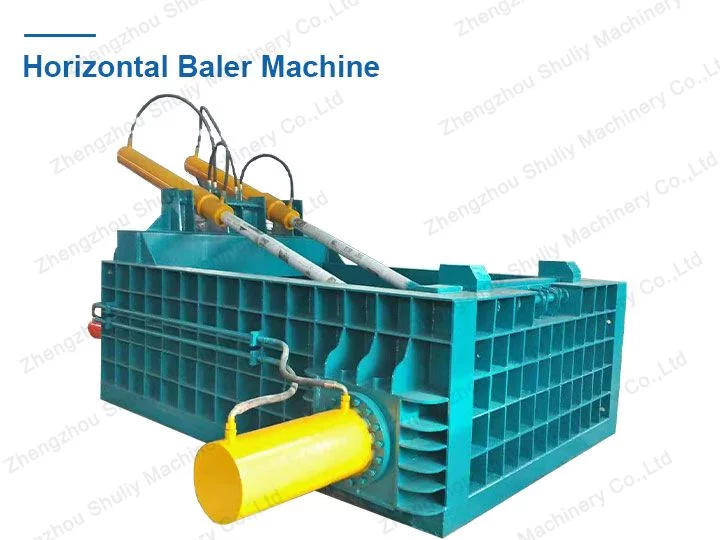
пресс для металлолома
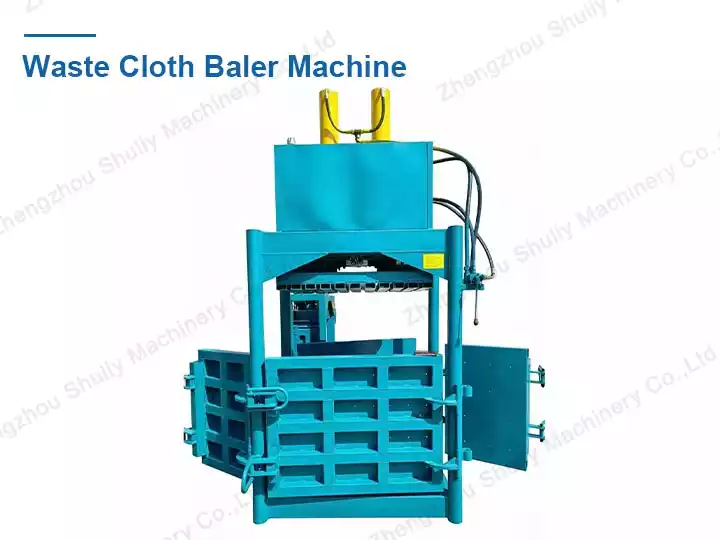
Waste Cloth Baler Machine | Hydraulic Textile Baling Press
Waste Cloth Baler Machine for compressing used clothes, textile scraps and fabric waste into compact bales. Hydraulic and four-door design.
View machine→Aluminum Can Flattening Machine
Industrial aluminum can flattening machine compresses empty beverage cans into 1-2mm sheets. Models with capacity 100-2,600 cans/hour.
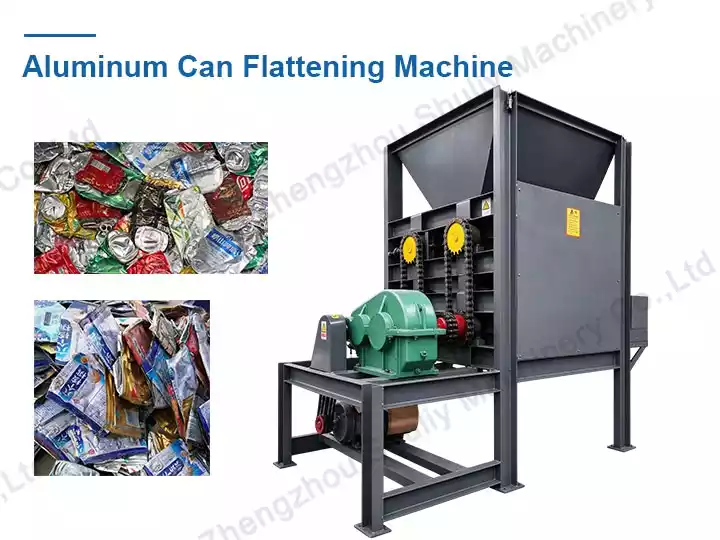
An aluminum can flattening machine, also known as a can crusher, can flattener, or beverage can baler, is a mechanical recycling device designed to compress empty aluminum cans, tin cans, and metal beverage containers into flat sheets or small dense pieces. By reducing the original volume by 80% or more, this machine significantly lowers storage space, transportation frequency, and recycling costs for scrap yards, waste stations, beverage factories, and metal recycling plants.
Unlike hydraulic balers that process mixed scrap metal, a dedicated can flattening machine features dual-roller compression, typically driven by an electric motor and reducer. Cans are fed through the top hopper, squeezed between two rotating rollers, and discharged as flat flakes with a uniform thickness of 1–2 mm. This mechanical crushing method is fast, continuous, low-noise, and energy-efficient.
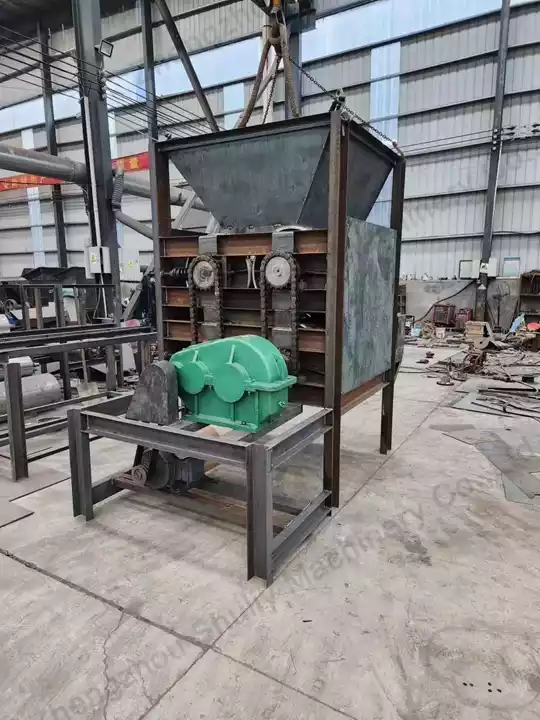
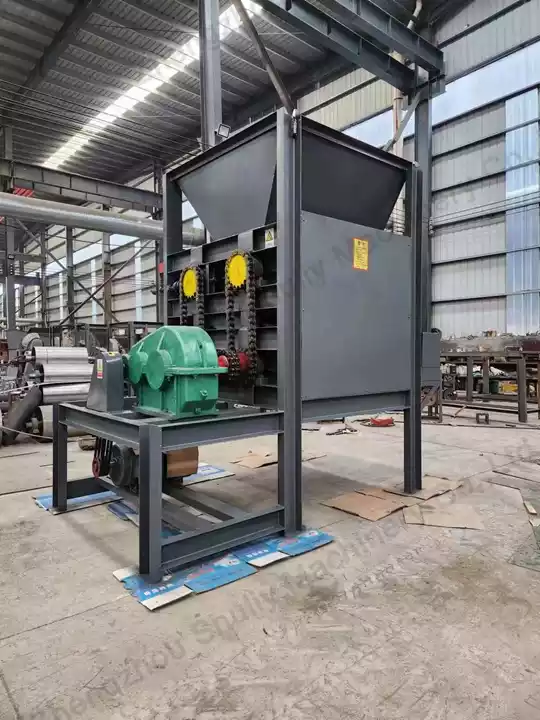
Our can flattening machine is suitable for a wide range of recycling and waste-management scenarios:
The machine can process not only aluminum beverage cans but also tin cans, steel cans, empty aerosol cans (depressurized), and thin-walled metal containers.
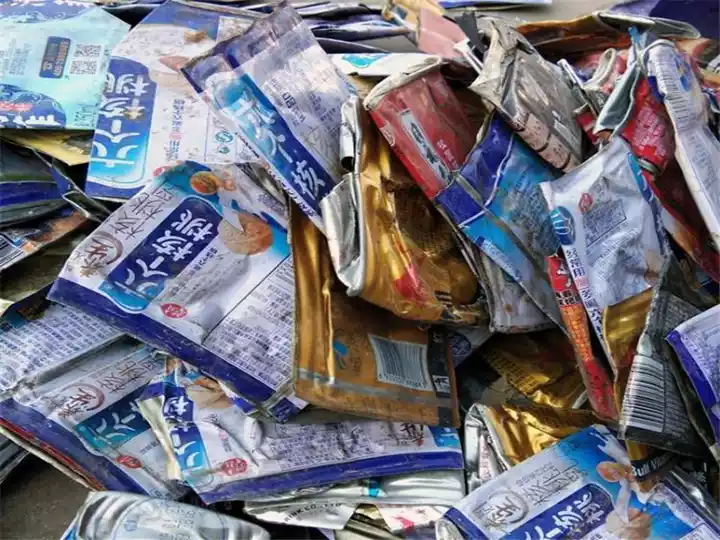
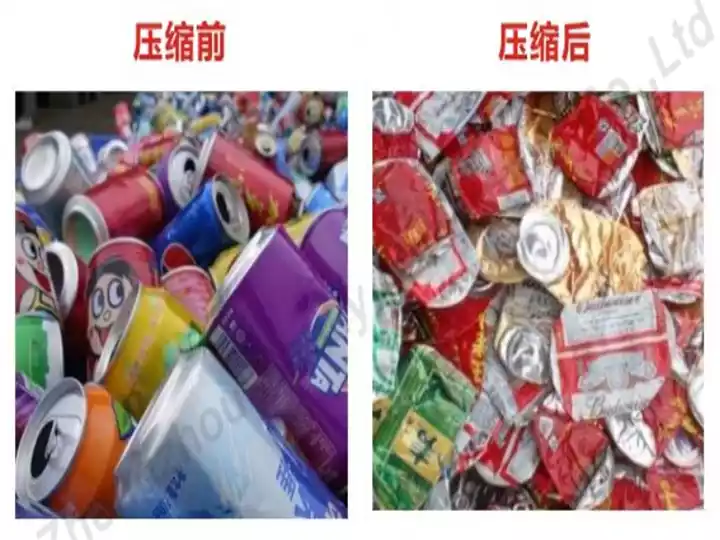
Empty aluminum cans take up a surprising amount of space. A standard 330ml aluminum can occupies about 30–40 cm³, and loose cans in a recycling facility create large air gaps. Before selling cans to a metal smelter, recyclers must either bale, shred, or flatten the material.
A can flattening machine solves this problem in three ways:
Whether you operate a small scrap collection point or a large beverage waste recycling line, flattening equipment improves workflow efficiency and profitability.
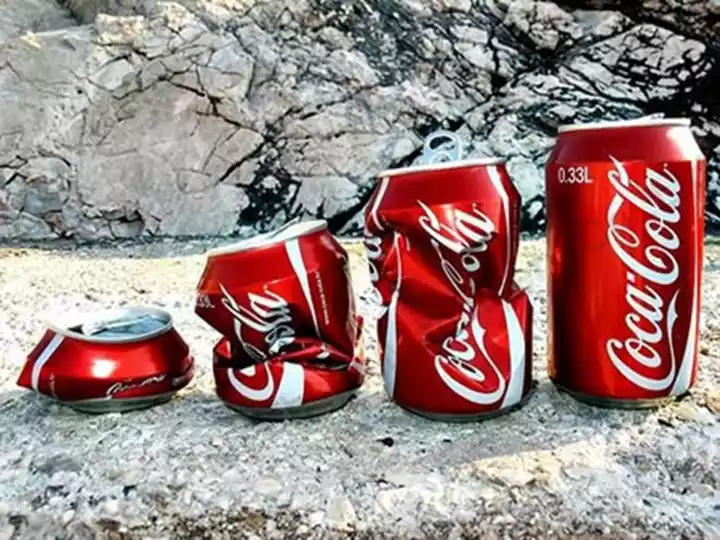
The working principle is straightforward but highly effective:
No hydraulic oil is required, so maintenance is simpler than hydraulic balers. The main maintenance items are reducer oil replacement, roller surface inspection, and motor electrical checks.
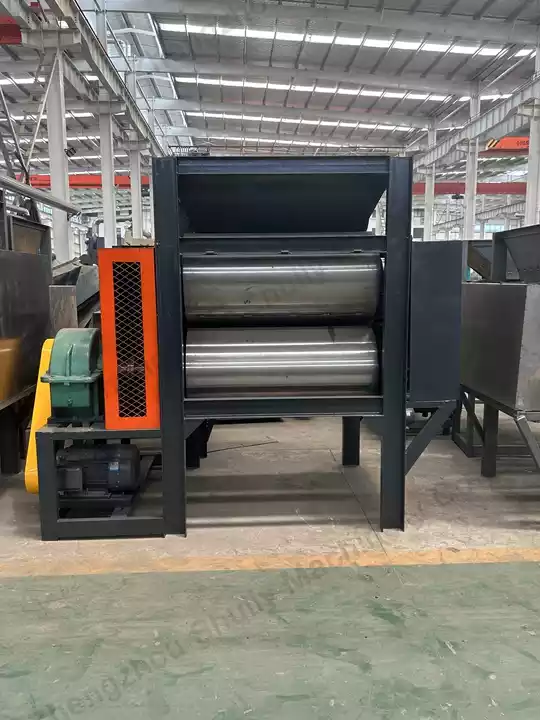
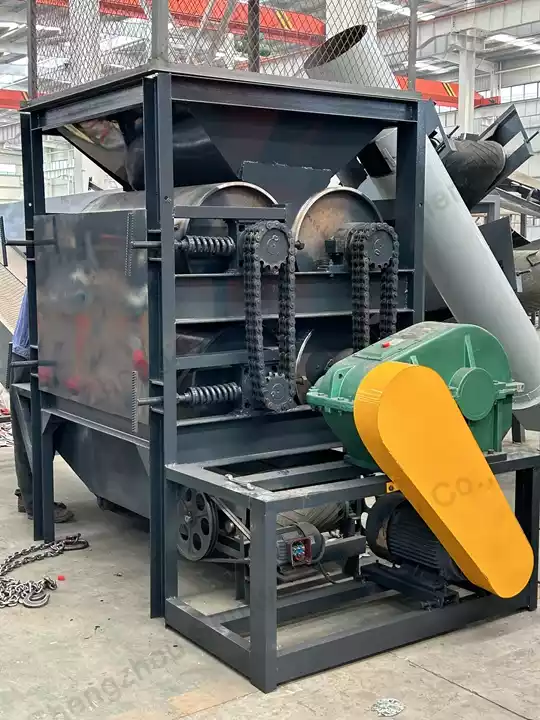
Our can flattening machine is built for continuous industrial use. The main design highlights include:
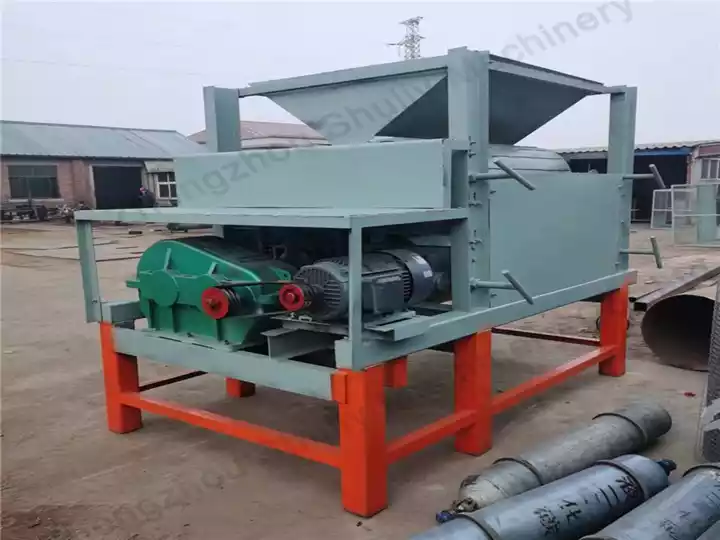
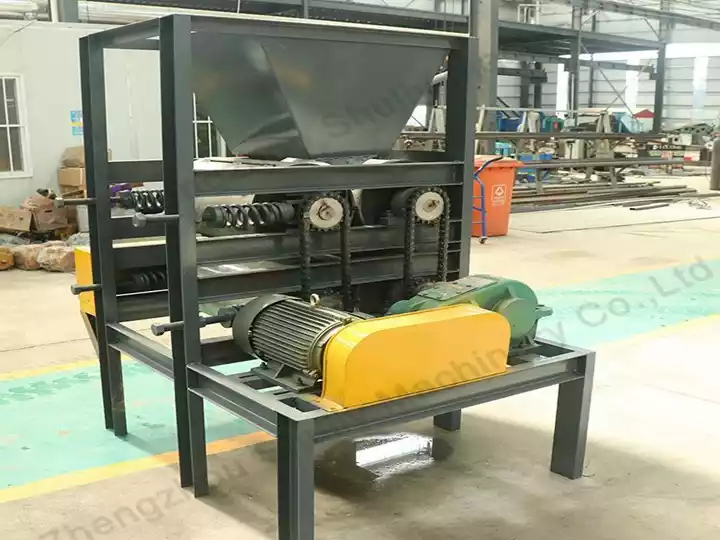
ModelDimensions (W*L*H mm)Motor Power (kW)Reducer SpecificationRoller Diameter (mm)Flake ThicknessCapacity (kg/h)4001040*1270*15003Type 200 Reducer2991-2mm<1006001080*1430*16004Type 200 Reducer2991-2mm<1806001280*1510*18507.5Type 250 Reducer4061-2mm<2608001750*1250*19007.5Type 250 Reducer4061-2mm<30010002050*1300*200011Type 350 Reducer4061-2mm<500-70010002300*1570*220015*Type 500 Reducer508*1-2mm<1100-130012002300*1450*200011Type 350 Reducer4061-2mm<700-90012002695*1600*225015*Type 500 Reducer560*1-2mm<1800-200015003000*1560*302015*Type 500 Reducer560*1-2mm<2000-2600
Notes: Capacity depends on can size, material thickness, feeding speed, and operator practice. Prices are ex-works reference values; final quotation depends on configuration, shipping, and optional accessories.
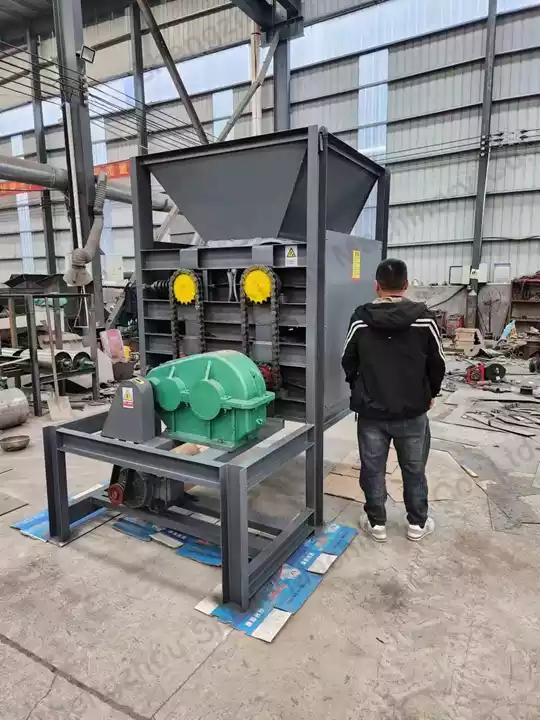
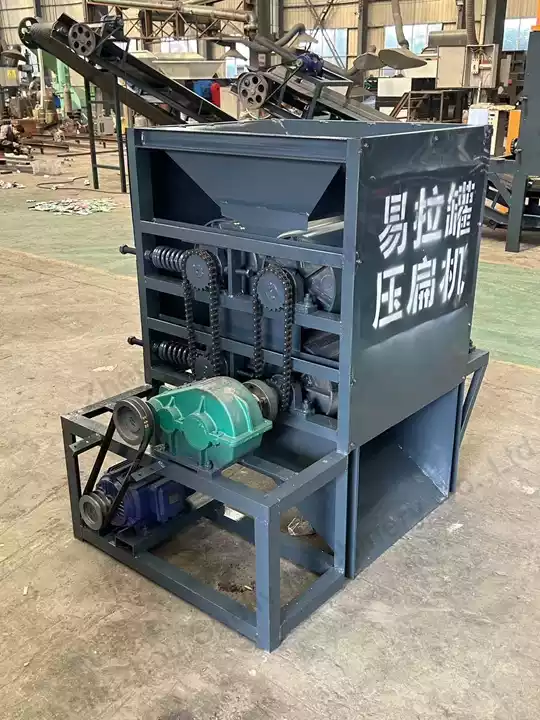
Flattened cans can be stacked tightly in bags, bins, or containers. This is especially valuable for facilities with limited floor space.
Because more material fits into each truck or container, logistics costs drop significantly. In many cases, transport frequency can be reduced by 60–80%.
Pre-flattened aluminum melts faster in furnaces and requires less handling at the recycling plant. This can lead to better pricing from buyers.
One machine replaces multiple workers who would otherwise manually crush or sort cans. Operation is simple and safe.
Aluminum is 100% recyclable without quality loss. By making recycling more efficient, can flatteners help reduce landfill waste, energy consumption, and carbon emissions.
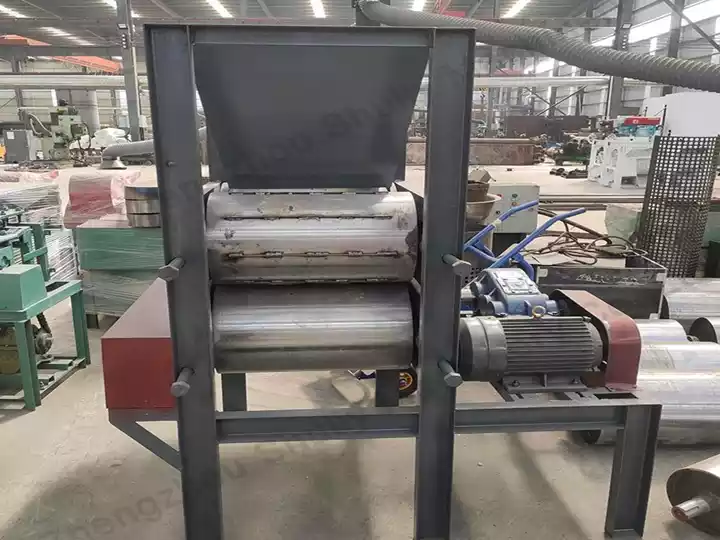
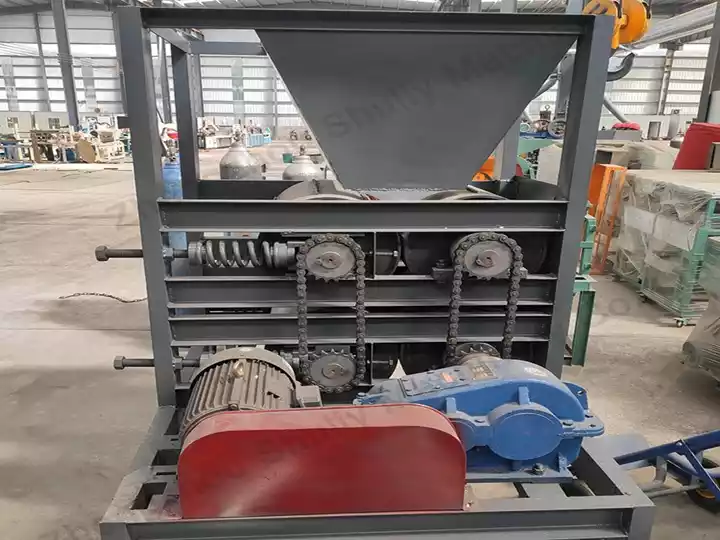
Selecting the correct machine size depends on several factors:
If you are unsure which model fits your operation, contact us with your expected capacity and material type. We can recommend the most cost-effective configuration.
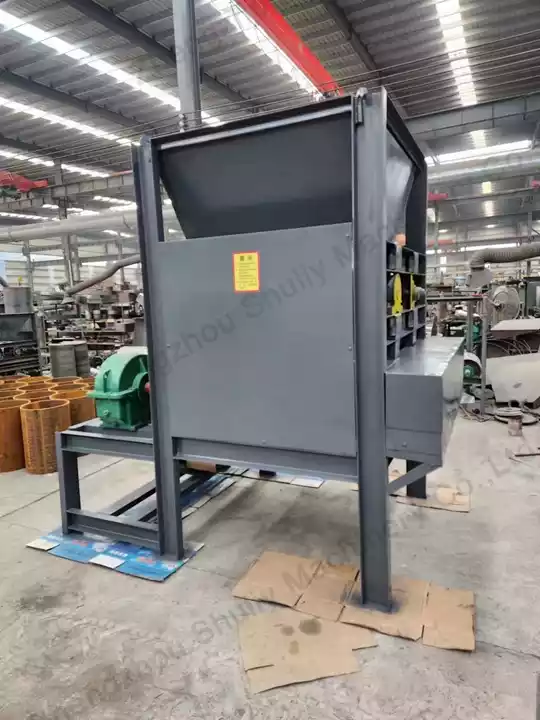
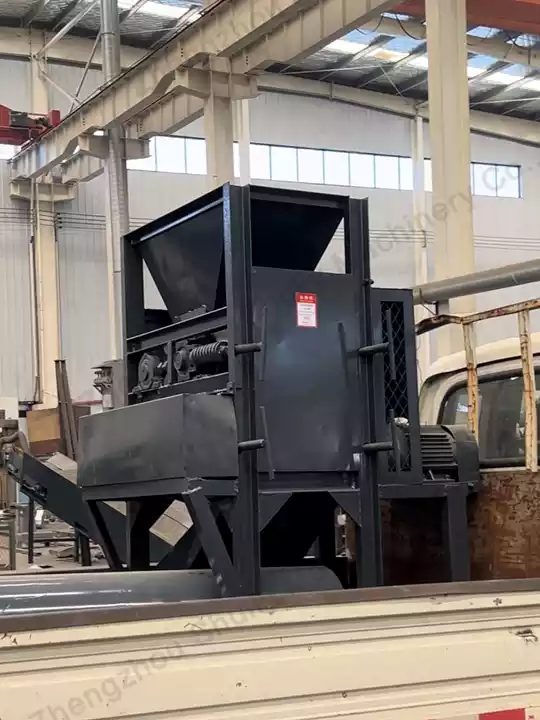
The machine is designed for empty aluminum cans, tinplate cans, steel beverage cans, and thin metal containers. It is not suitable for thick-walled drums or sealed pressurized cans.
This model is optimized for metal cans. For plastic bottles, a dedicated plastic bottle baler or perforator is recommended.
Yes. The machine includes safety guards, overload protection, and an emergency stop button. Operators must follow safety instructions and avoid contact with moving parts.
Standard models are usually ready within 7–15 days after order confirmation. Custom configurations may take longer.
Yes. We supply rollers, bearings, reducer components, motors, belts, and other spare parts for all models.
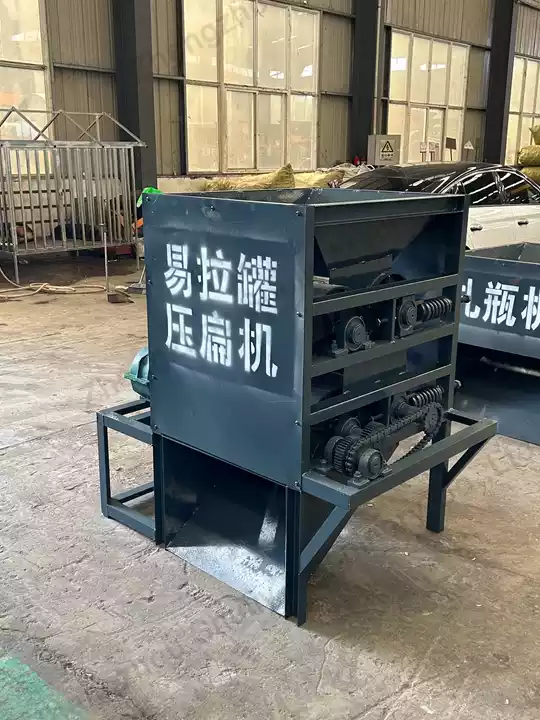
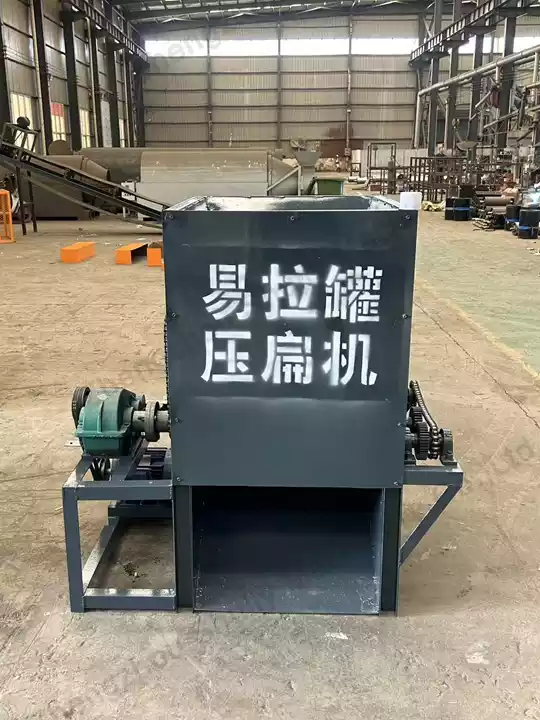
If you are looking for a reliable aluminum can flattening machine for your recycling business, contact us today. We offer factory-direct pricing, technical support, and customized solutions for small, medium, and large-scale operations.
Send us your requirements — including daily can volume, can type, and destination country — and we will respond with a detailed quotation and model recommendation within 24 hours.